
四川外国人考中国驾照英语科目一试题
2026年科目四英文版题库共700题,你可以免费查看随机20题,完整版题库请添加微信购买:

The English version of the 2026 subject 4 question bank has a total of 700 questions. You can view the top 20 questions for free. Please add WeChat to purchase the complete version of the question bank.
1. When approaching a sharp curve, motor vehicle drivers should reduce speed only after entering the curve.
Answer: N
2. Mr. Yang drove an adapted minibus (capacity 9 people and carrying 64 passengers, including 62 kindergarten pupils). When driving in Ma Caogou Village of Yu Linzi County, the bus used the lane for oncoming traffic and had a head-on colision with a heavy dump truck. As a result of this accident, 22 people were killed and 44 injured. What are the main illegal acts in this case?
A. The truck exceeded the speed limit
B. Illegal adaptation of a motor vehicle
C. The minibus carried more passengers than capacity
D. Driving in the opposite direction lane
Answer: BCD
3. How many kinds of law-breaking acts are displayed in flash 1?
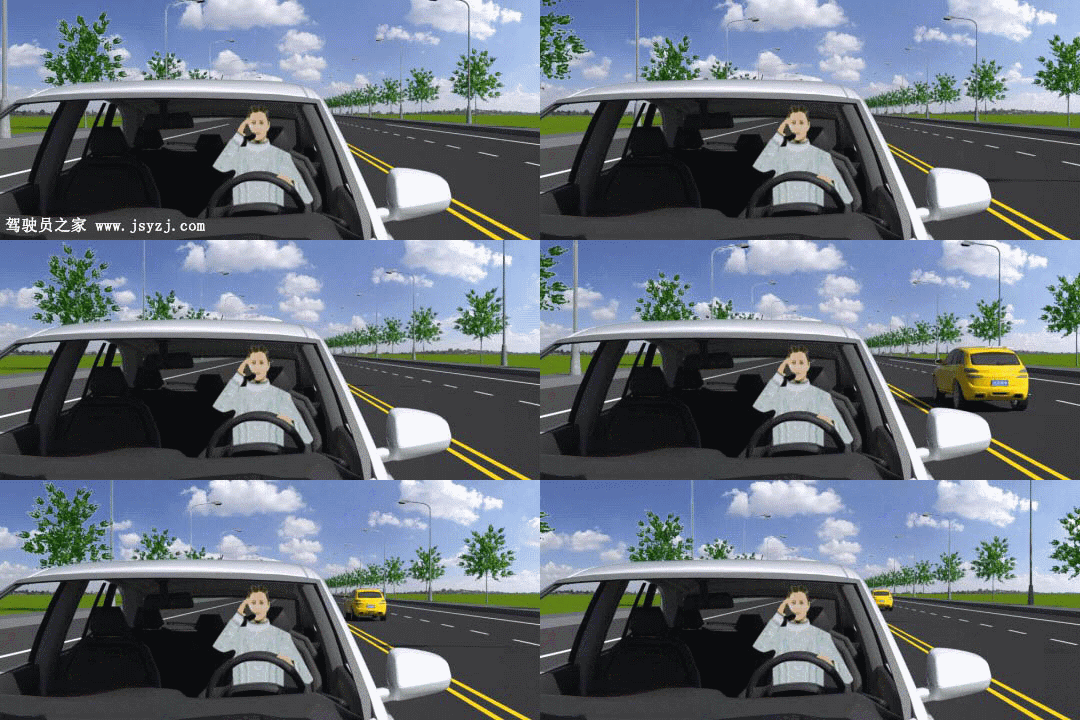
A. One
B. Two
C. Three
D. Four
Answer: B
4. Which of the following is a safe way for motor vehicles to pass the intersection marked with this sign?
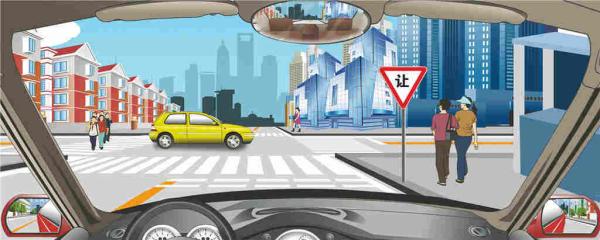
A. Stop and observe the traffic situation around the intersection
B. Approach the intersection by speeding up
C. Observe the traffic situation on the left rear side
D. Approach the intersection at a reduced speed
Answer: D
5. Motor vehicles are permitted to move to the right lane at this intersection.
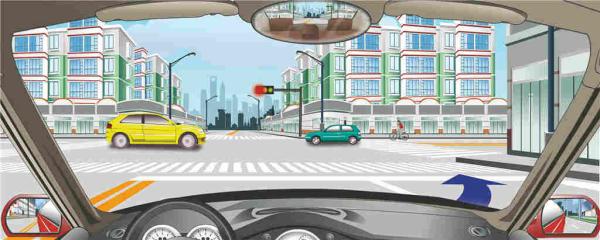
Answer: N
6. The motor vehicle equipped with ABS may sideslip during an emergency brake.
Answer: Y
7. When a motor vehicle stops in snow, which lamp should be turned on?
A. Front and rear fog lamps, clearance lamp and rear position lamp
B. Reverse lamp, clearance lamp and rear position lamp
C. Headlamp, clearance lamp and rear position lamp
D. Hazard lamps, clearance lamp and rear position lamp
Answer: D
8. When encountering this situation at the gate of a school, the driver should prepare to stop.
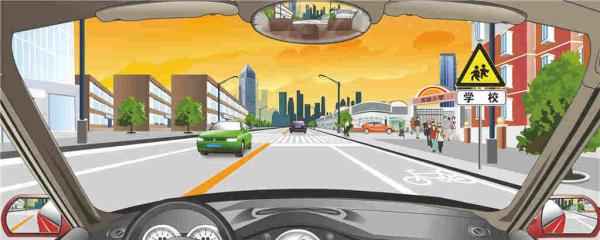
Answer: Y
9. The sign on the right warns of three or more winding roads ahead.
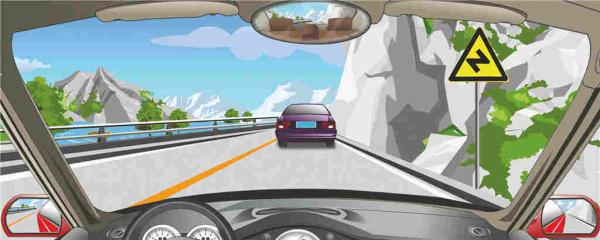
Answer: N
10. The main reason for this accident is that the pedestrian crossed the street in front of the motor vehicle.
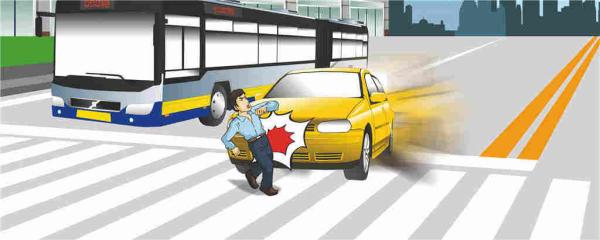
Answer: N
11. How many kinds of law-breaking acts are displayed in flash 6?
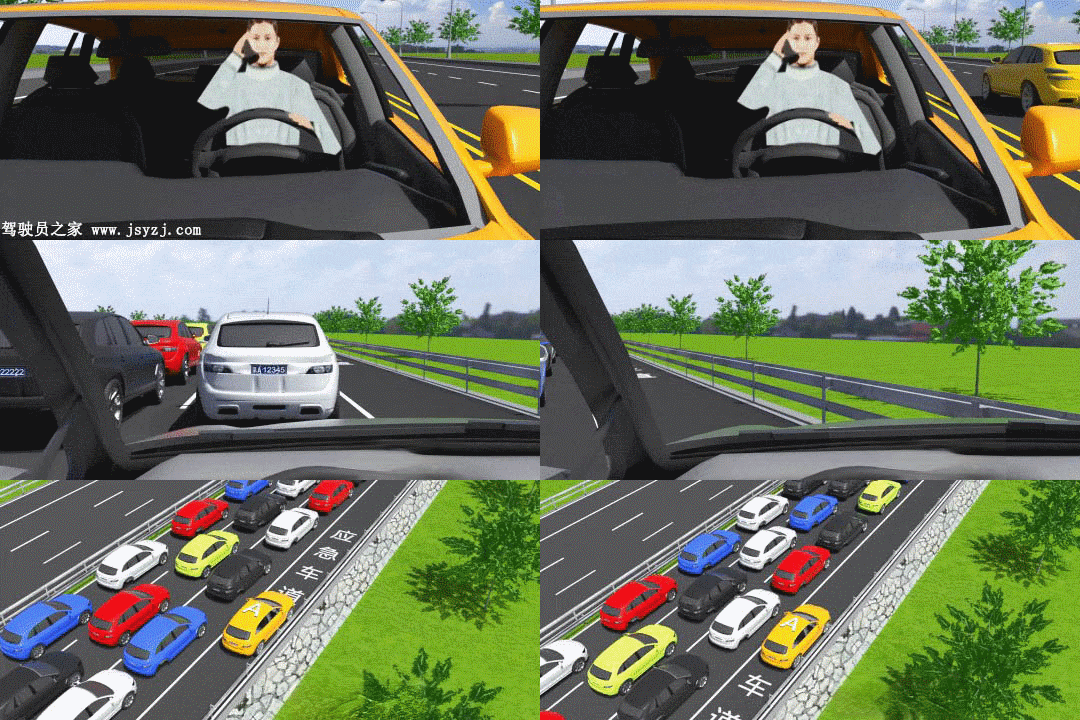
A. One
B. Two
C. Three
D. Four
Answer: C
12. What should motor vehicle drivers do under such circumstances at night?
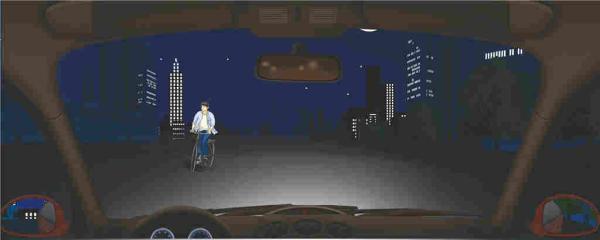
A. Turn off the headlamp when approaching
B. Use low-beam
C. Use high-beam
D. Turn off all lamps in advance
Answer: B
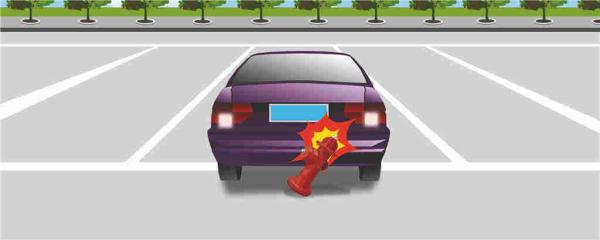
13. The leading cause of this accident is that the driver failed to make sure that it was safe to reverse before doing so.
Answer: Y
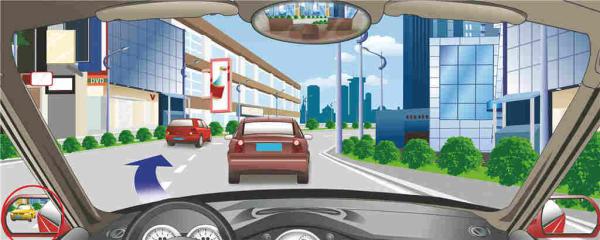
14. When encountering such a situation, the motor vehicle driver should change to the left lane rapidly.
Answer: N
15. Motor vehicles are not allowed to reverse in a tunnel.
Answer: Y
16. What should the driver pay attention to when the motor vehicle on the main road approaches a junction with a feeder road?
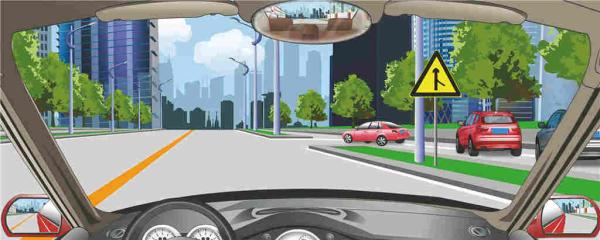
A. Slow down in advance and pay attention to other motor vehicles
B. Maintain the normal speed
C. Sound the horn and pass rapidly
D. Speed up and pass rapidly
Answer: A
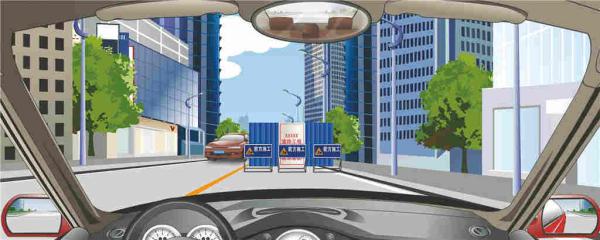
17. Under this circumstance, motor vehicle drivers should give the right of way to oncoming vehicle.
Answer: Y
18. Motor vehicle drivers may make a U-turn in the broken line area as long as it will not affect the normal traffic flow.
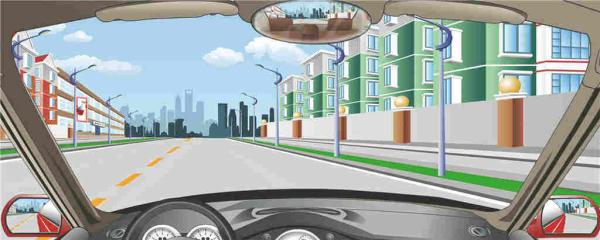
Answer: Y
19. Which of the following measures is incorrect when a motor vehicle stops?
A. Stop at a stipulated place
B. Avoid stopping on pedestrian streets
C. Avoid obstructing the passing of other motor vehicles and pedestrians when temporarily stops on the road
D. Stop on the non-motor vehicle lane
Answer: D
20. Which one of the following is a safe way for motor vehicles to pass an intersection marked with this sign?
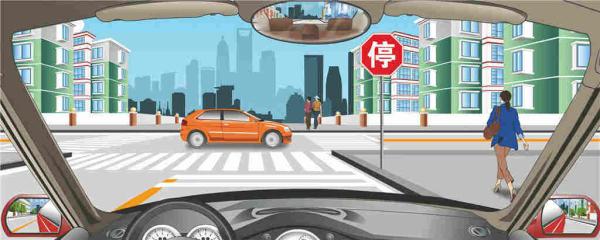
A. Stopping and observing the traffic situation around the intersection
B. Approaching the intersection by speeding up
C. Approaching the intersection at a reduced speed
D. Observing the traffic situation on the left rear side
Answer: A
Previous: 齐齐哈尔外国人考中国驾照英语版
Next: 盐城外国人考中国驾照英语版