
科目四的英文题目是什么
2026年科目四英文版题库共700题,你可以免费查看随机20题,完整版题库请添加微信购买:

The English version of the 2026 subject 4 question bank has a total of 700 questions. You can view the top 20 questions for free. Please add WeChat to purchase the complete version of the question bank.
1. Motor vehicles can turn right when driving into an intersection with this traffic signal.
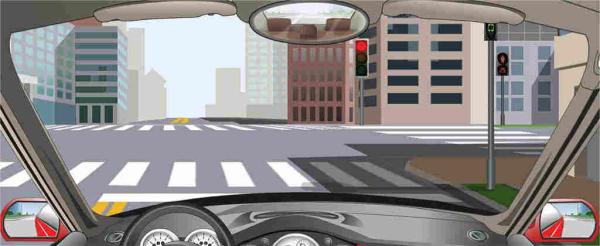
Answer: Y
2. What should motor vehicle drivers do under the circumstance shown in the flash?

A. Drive by borrowing the opposite lane
B. Brake suddenly and pass through at a lower speed
C. Drive by the outer side of the curve
D. Reduce speed fully and drive by the right side
Answer: D
3. Motor vehicle drivers may make a U-turn in this area as long as it will not affect the passing of pedestrians.
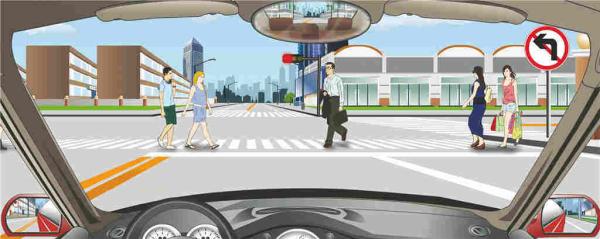
Answer: N
4. vehicles may stop temporarily in this area.
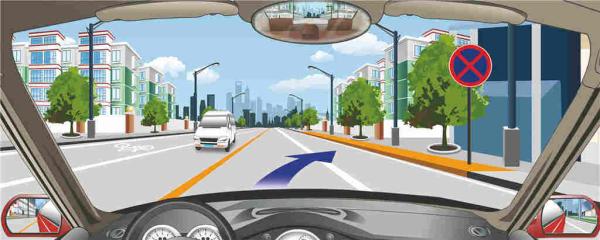
Answer: N
5. What is the intersection ahead indicated by the right sign?
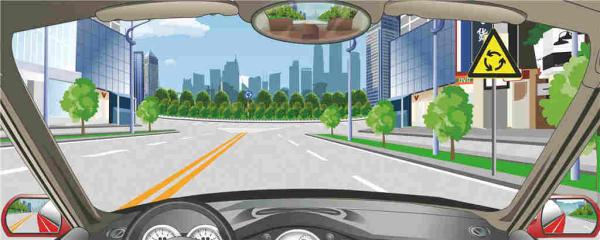
A. T-shaped intersection
B. Y-shaped intersection
C. Cross-shaped intersection
D. Roundabout
Answer: D
6. What should be done by the driver who intends to overtake but finds that the vehicle in front is also overtaking?
A. Following the vehicle in front closely and finding a chance to overtake it
B. Accelerating to overtake forcefully
C. Continuously sounding the horn to urge the vehicle in front to yield
D. Refraining from overtaking and letting the vehicle in front overtake first
Answer: D
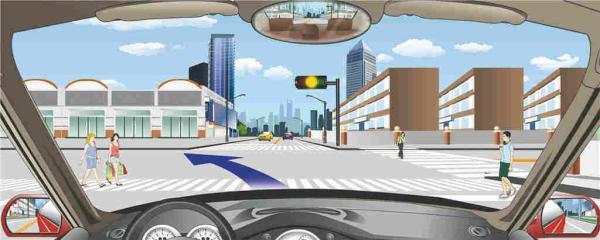
7. At this moment, the driver may speed up and pass the intersection rapidly.
Answer: N
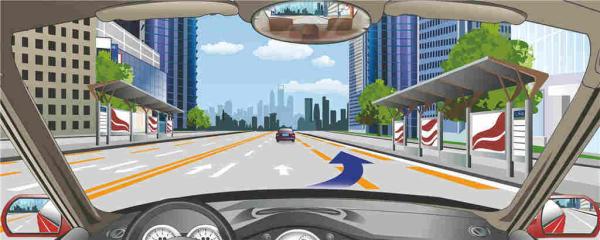
8. In this situation, motor vehicles are permitted to stop temporarily at bus stations.
Answer: N
9. When a motor vehicle stops in snow, which lamp should be turned on?
A. Front and rear fog lamps, clearance lamp and rear position lamp
B. Reverse lamp, clearance lamp and rear position lamp
C. Headlamp, clearance lamp and rear position lamp
D. Hazard lamps, clearance lamp and rear position lamp
Answer: D
10. At this intersection, motor vehicle drivers may directly make a U-turn along the U-turn turning lane.

Answer: N
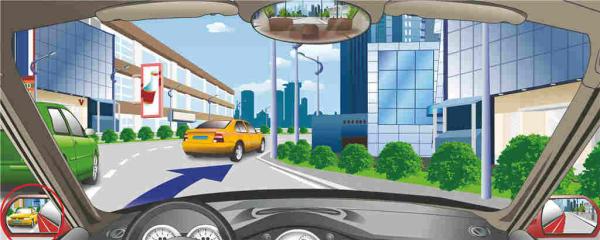
11. Under such circumstances, the motor vehicle driver should voluntarily reduce speed and let the vehicle behind overtake.
Answer: Y
12. What does this sign on the fly-over junction indicate?
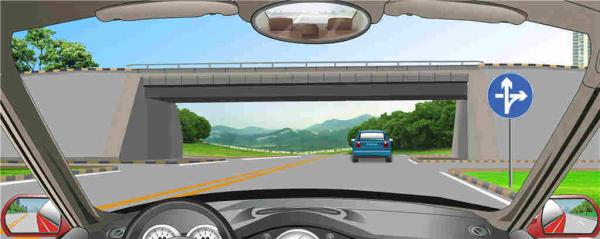
A. Turn right
B. Drive straight or turn left
C. Drive straight or turn right
D. Take a U-turn under bridge
Answer: C
13. Motor vehicle drivers are allowed to make a U-turn at this intersection.
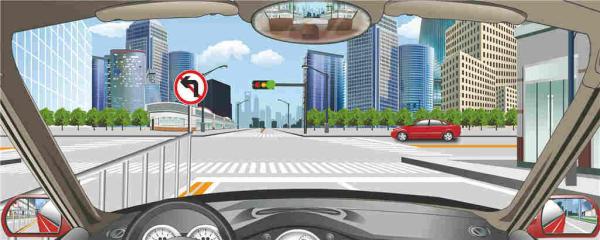
Answer: N
14. What should be done by drivers in order to drive safely on the road in this condition?
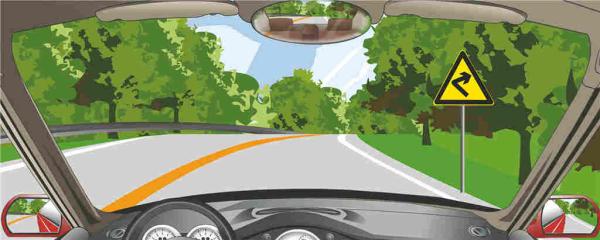
A. Make a large turn on the left side of the road
B. Make a turn on the central line of the curve
C. Make a small turn on the right side of the road
D. Make a turn by borrowing the opposite lane
Answer: C
15. After setting off from a roadside, motor vehicle drivers should watch both sides of the road, turn left and drive into the normal lane slowly.
Answer: Y
16. Mr. Tong drove a large bus (capacity 55 people and carrying 54) to Taiyuan City. When he drove on a muddy road at the speed of 45 kilometers per hour, the bus skidded into a deep ditch, killing 14 people dead and badly injuring 40 What is the main illegal act committed by Mr. Tong?
A. Overloaded
B. Speeding
C. Driving after drinking
D. Fatigued driving
Answer: B
17. When a motor vehicle turns left at this intersection the driver should change to the left lane in advance by the guide arrow.
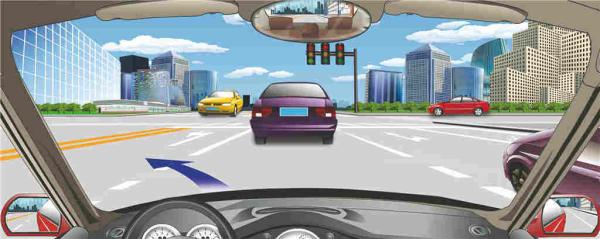
Answer: Y
18. The driver may turn right directly at this intersection.

Answer: N
19. When approaching a vehicle on a narrow slope, which one of the following ways is correct?
A. The descending vehicle yields to the ascending
B. The vehicle which is further from the slope crest should yield
C. The ascending vehicle yields to the descending
D. If the descending vehicle has reached the midpoint while the ascending vehicle has not yet set out, the descending vehicle must yield.
Answer: A
20. What should the driver do when the motor vehicle passes the level crossing?

A. Change to neutral gear and slide over
B. Stop, look and pass
C. Speed up, look and pass rapidly
D. Slow down, look and pass slowly
Answer: B
Previous: 国外驾照换国内驾照流程吐鲁番
Next: 保定驾考英文版科目一试题