
驾照考试英语
2026年科目一英文版题库共973题,你可以免费查看随机20题,完整版题库请添加微信购买:

The English version of the 2026 subject 1 question bank has a total of 973 questions. You can view the top 20 questions for free. Please add WeChat to purchase the complete version of the question bank.
1. This traffic light means ______
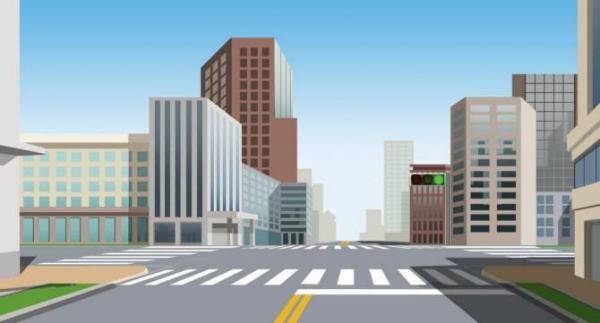
A. intersection warning
B. no passing
C. draw attention
D. allow to pass
Answer: D
2. Which should be carried onboard?
A. insurance policy
B. vehicle license
C. certificate of ex-factory inspection
D. vehicle registration papers
Answer: B
3. Driving a motorized vehicle on the road should be required to be with a license plate.
Answer: Y
4. When driving in a rainy day, the driver should _____ when a pedestrian holding umbrella or in raincoat is walking on the highway.
A. Continuously honk to indicate him to yield
B. Speed up and bypass
C. Honk in advance and properly reduce speed
D. Drive at the normal speed
Answer: C
5. If a vehicle enters a left lane for overtaking but is unable to ensure a safe horizontal distance with the normally-running vehicle in front, the driver should ________.
A. Speed up and overtake
B. Overtake after running a distance in parallel
C. Give up overtaking
D. Overtake with care
Answer: C
6. When changing lanes on an expressway, the driver should turn on the turn signal in advance, observe the traffic conditions, and slowly turn the steering wheel and enter the new lane after making sure it is safe to do so.
Answer: Y
7. In such road sections, you can enter the cross-hatched marking area to wait.

Answer: N
8. When a following vehicle gives the overtaking signal, the driver should ________ if conditions permit.
A. Move to the right side and speed up
B. Voluntarily reduce speed and drive along the right side
C. Yield a proper space and speed up
D. Reduce speed rapidly or apply an emergency braking
Answer: B
9. When running on an expressway, the driver should ____ if he has missed the exit.
A. Reverse to the original place
B. Continue to go ahead and find the next exit
C. Immediately stop
D. Make a U turn from where he is
Answer: B
10. Driving and smoking has no harm on safe driving.
Answer: N
11. When a vehicle starts up, the driver should observe the traffic conditions and begin to start up after making sure it is safe to do so.
Answer: Y
12. The method of this small passenger vehicle to leave the expressway lane is correct.
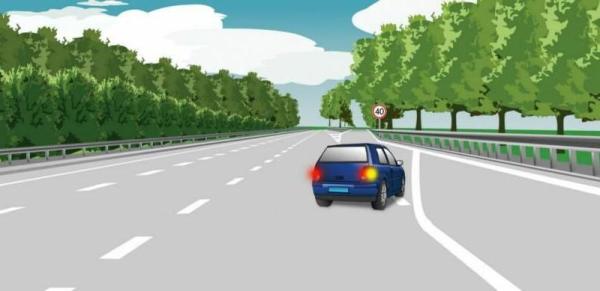
Answer: Y
13. When driving in a heavy rain, the driver should control the speed to avoid the danger arising from water slide.
Answer: Y
14. Max speed when pass the narrow road or bridge is _______
A. 50km/hr
B. 40km/hr
C. 30km/hr
D. 60km/hr
Answer: C
15. When driving at night, the drivers visibility range becomes shorter and his observation becomes poorer. At the same time, the driver can easily become tired because he has to highly concentrate his attention.
Answer: Y
16. You can drive a motorized vehicle a short distance after drinking as long as it does not interfere the driving operation.
Answer: N
17. What kind of behavior of this driver violates the law?
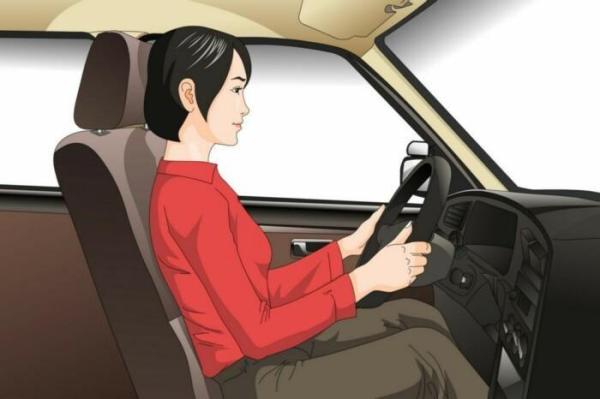
A. not hold the steering wheel according to regulation
B. angle of the seat is not correct
C. not buckled up
D. the driving posture is incorrect
Answer: C
18. Speeding up to go though the intersection before the light turns to red in this case.
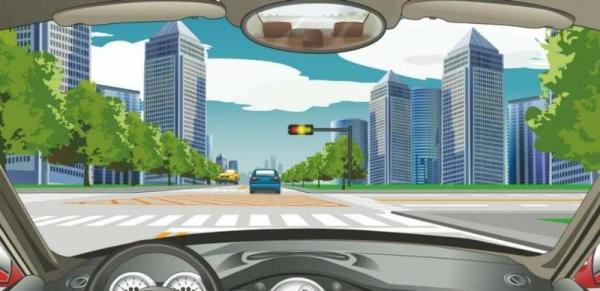
Answer: N
19. You should speed up to go through the railway crossing in this case.
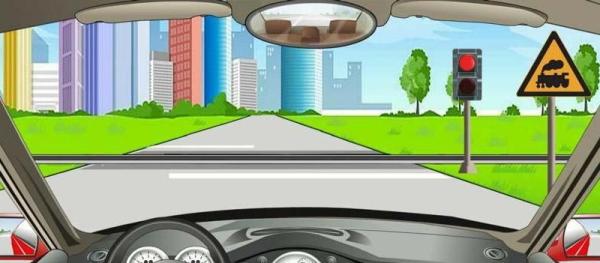
Answer: N
20. The method and direction of changing lanes by the red car is correct.

Answer: N
Previous: 科目一英语版答案大全图片
Next: 外国人考科目一好过吗