
南通摩托车科目四英文考试题库
2026年摩托车科目四英文版题库共345题,你可以免费查看随机20题,完整版题库请添加微信购买:

The English version of the 2026 Motorcycle subject 4 question bank has a total of 700 questions. You can view the top 20 questions for free. Please add WeChat to purchase the complete version of the question bank.
1. When rescuing a wounded person in coma, it is necessary to take warm-keeping measures to prevent heat loss.
Answer: Y
2. When driving in rain and encountering pedestrians with umbrellas or wearing raincoats, what should be done by motor vehicle drivers in order to yield?
A. Drive at a normal speed
B. Sound the horn to alert when approaching the pedestrians
C. Speed up and bypass on the left
D. Reduce speed and sound the horn in advance
Answer: D
3. When driving on a long downhill road, which is the best way to control driving speed?
A. Coast in neutral gear
B. Depress the clutch and coast
C. Use the engine to brake
D. Depress the brake pedal continuously
Answer: C
4. What is the meaning of this sign?
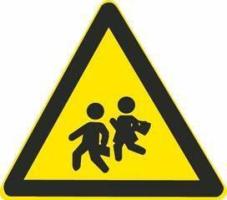
A. School area
B. Watch for children
C. Crosswalk
D. Watch for pedestrians
Answer: B
5. When encountering an obstacle on one side of the road, what should vehicles do as they approach each other?
A. The vehicle not encountering an obstacle should Yield to the other vehicle
B. The slower vehicle should yield to the faster
C. The vehicle encountering an obstacle should yield to the other vehicle
D. The faster vehicle should yield to the slower
Answer: C
6. What is the meaning of this sign?
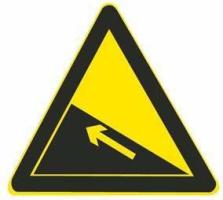
A. Steep downhill road
B. Continuous up slopes
C. Steep uphill road
D. Embankment road
Answer: C
7. What is the meaning of this sign?

A. Accident-prone section
B. Construction section
C. Reducing speed and going slowly section
D. Jammed section
Answer: A
8. What is the meaning of this sign?

A. Stop by the left side of the road
B. Downhill section left
C. Left turn only
D. Run by the left side of the road
Answer: D
9. What is the meaning of this sign?
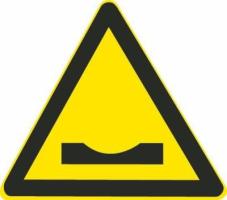
A. Bump road
B. Low-lying road
C. High outburst road
D. Hump bridge
Answer: B
10. How to reduce speed or stop when driving on a road covered with snow and ice?
A. Take full advantage of driving brake
B. Take full advantage of the control power from engine
C. Take full advantage of parking brake
D. Take full advantage of speed retarder
Answer: B
11. Once inflammable gas causes a fire disaster, it should be put out with water in good time.
Answer: N
12. When driving in thick or extremely thick fog, what should the driver do due to the low visibility in such weather?
A. Turn on the headlamp and drive slowly
B. Turn on the fog lamp and drive slowl
C. Park in a safe place
D. Drive slowly close to the roadside
Answer: C
13. When the tire pressure is too low, what will happen if the tire changes its shape in waves and increases in temperature due to fast movement?
A. Unstable tire pressure
B. Even lower tire pressure
C. Driving resistance increases
D. Tire burst
Answer: D
14. Matches, sulfur and red phosphorus are _________.
A. Explosives
B. Inflammable solid materials
C. Self-igniting articles
D. Oxidizing materials
Answer: B
15. What is the meaning of this sign?
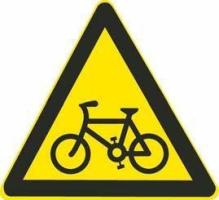
A. The lane for non-motorized vehicles
B. Yield non-motorized vehicles
C. No passing for non-motorized vehicles
D. Watch for non-motorized vehicles
Answer: D
16. When there is no bandage for rescuing a wounded person, which of the following measures is wrong?
A. Dress the wounds with a handkerchief
B. Dress the wounds with a towe
C. Dress the wounds with cotton clothes
D. Dress the wounds with string
Answer: D
17. When a motor vehicle stops in snow, which lamp should be turned on?
A. Front and rear fog lamps, clearance lamp and rear position lamp
B. Reverse lamp, clearance lamp and rear position lamp
C. Headlamp, clearance lamp and rear position lamp
D. Hazard lamps, clearance lamp and rear position lamp
Answer: D
18. What needs attention when a motor vehicle drives on a road covered with ice and snow?
A. Braking length is extended
B. Anti-skating resistance will be greater
C. The adhesive force of the road will be greater
D. The braking length will be shorter
Answer: A
19. What is the meaning of this sign?
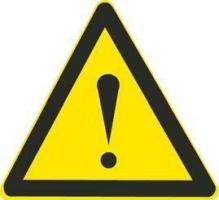
A. Reduce speed and go slowly
B. Watch for danger
C. Jammed section
D. Accident-prone section
Answer: B
20. What should motor vehicle drivers do when parking temporarily on a rainy day?
A. Turn on hazard lamp
B. Turn on front and back fog lamp
C. Turn on low-beam
D. Set up warning sign at the back of the vehicle
Answer: A
Previous: 西藏外国人考中国摩托车驾照科目一试题
Next: 阜阳考摩托车科目四英文考试题