
保山考摩托车科目四英文版
2026年摩托车科目四英文版题库共345题,你可以免费查看随机20题,完整版题库请添加微信购买:

The English version of the 2026 Motorcycle subject 4 question bank has a total of 700 questions. You can view the top 20 questions for free. Please add WeChat to purchase the complete version of the question bank.
1. What is the meaning of this sign?
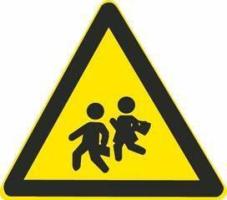
A. School area
B. Watch for children
C. Crosswalk
D. Watch for pedestrians
Answer: B
2. What is the meaning of this sign?

A. Stop to yield
B. No stopping temporarily
C. No entry
D. No long stopping
Answer: A
3. When driving in rain and encountering pedestrians with umbrellas or wearing raincoats, what should be done by motor vehicle drivers in order to yield?
A. Drive at a normal speed
B. Sound the horn to alert when approaching the pedestrians
C. Speed up and bypass on the left
D. Reduce speed and sound the horn in advance
Answer: D
4. What is the meaning of this sign?
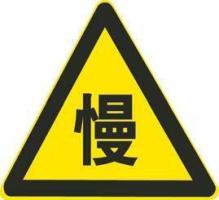
A. More vehicles section
B. Passing slowly
C. Jammed section
D. Construction section
Answer: B
5. What kind of harmful effect will be brought about by continuously using the foot brake on a long downhill road?
A. Shorten the engine¡¯s service life
B. Make the driver feel tired
C. Easily cause the vehicle to overturn
D. Reduce the braking efficiency
Answer: D
6. What is the meaning of this sign?
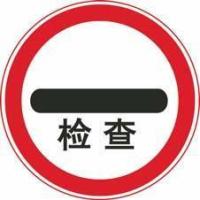
A. Customs inspection
B. Stop-for-inspection
C. Frontier inspection
D. No passing
Answer: B
7. What is the meaning of this sign?

A. Going straight and left turn
B. Going straight and right turn
C. No going straight and no right turn
D. Left turn and right turn only
Answer: B
8. What is the most frequent problem for driving on a muddy road?
A. High resistance force
B. Sideways slide
C. The motor vehicle bumps
D. Steering failure
Answer: B
9. What is the meaning of this sign?
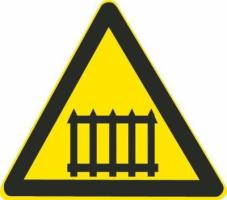
A. A manned level crossing
B. Multi-crossing of railway and road
C. Grade separation level crossing
D. An unmanned level crossing
Answer: A
10. Gun powder, explosives and detonating powder belong to which of the following dangerous chemicals?
A. Oxidizing materials
B. Inflammable solid materials
C. Explosives
D. Self-igniting articles
Answer: C
11. In emergencies, people¡¯s life safety should always be put in the first place.
Answer: Y
12. When encountering an obstacle on one side of the road, what should vehicles do as they approach each other?
A. The vehicle not encountering an obstacle should Yield to the other vehicle
B. The slower vehicle should yield to the faster
C. The vehicle encountering an obstacle should yield to the other vehicle
D. The faster vehicle should yield to the slower
Answer: C
13. How should lamps be used when motor vehicle drivers pass through a two-way tunnel?
A. Turn on the hazard lamps
B. Turn on the high-beam
C. Turn on the fog lamp
D. Turn on the low-beam
Answer: D
14. When the tire pressure is too low, what can happen when driving at a high speed?
A. Tire pressure will be unstable
B. Tire pressure will increase
C. Driving resistance will decrease
D. The tire will burst
Answer: D
15. What is the meaning of this sign?

A. Slippery section
B. Sharp curve
C. Inverse curve
D. Continuous curves
Answer: C
16. What is the meaning of this sign?
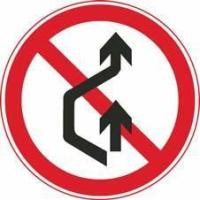
A. No borrowing lane
B. No changing lane
C. No overtaking
D. No U turn
Answer: C
17. When a motor vehicle temporarily stops at night, which lamp should be turned on?
A. Front and rear fog lamp, clearance lamp and rear position lamp
B. Head lamp, clearance lamp and rear position lamp
C. Hazard lamp, clearance lamp and rear position lamp
D. Reverse lamp, clearance lamp and rear position lamp
Answer: C
18. What is the meaning of this sign?

A. Electric bicycles may go
B. Parking space for non-motorized vehicles
C. Parking area for non-motorized vehicles
D. Non-motorized vehicles may go
Answer: D
19. What is the meaning of this sign?
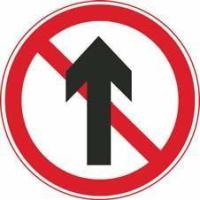
A. No right turn
B. No U turn
C. No going straight
D. No left turn
Answer: C
20. What is the meaning of this sign?

A. Exit and entry for disabled people
B. Watch for disabled people
C. Rest area for disabled people
D. Special passage for disabled people
Answer: B
Previous: 宁夏摩托车科目四英文版电子题库
Next: 武威摩托车科目一英语版