
云浮考摩托车科目四英文版
2026年摩托车科目四英文版题库共345题,你可以免费查看随机20题,完整版题库请添加微信购买:

The English version of the 2026 Motorcycle subject 4 question bank has a total of 700 questions. You can view the top 20 questions for free. Please add WeChat to purchase the complete version of the question bank.
1. Which lamp should be used when motor vehicles pass hrough an intersection at night where there is no traffic light signal?
A. High-beam
B. Low-beam
C. Hazard lamps
D. High-beam and low-beam should be used alternatively
Answer: D
2. What is the meaning of this sign?

A. Overtaking ban is lifted
B. Changing lane is allowed
C. Changing lane ban is lifted
D. Borrowing lane ban is lifted
Answer: A
3. The drivers, loaders and supercargoes responsible for dangerous chemicals transportation should all full understand the chemical characteristics, potential risks, features of the packaging containers and emergency measures for any unexpected accidents.
Answer: Y
4. What is the meaning of this sign?
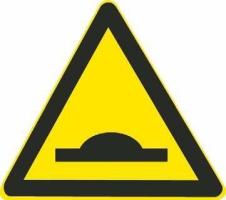
A. Bump road
B. High outburst road
C. Low-lying road
D. Hump bridge
Answer: B
5. What is the meaning of this sign?
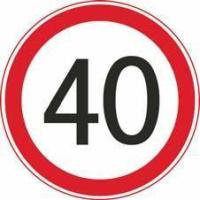
A. Reducing speed 40m ahead
B. Minimum speed is 40km/hr
C. Axle weight limit is 40 tons
D. Maximum speed limit is 40km/hr
Answer: D
6. When a wounded person suffering burns is thirsty, he should only drink plain boiled water.
Answer: N
7. What is the meaning of this sign?

A. No entry for bicycles
B. Lane for non-motorized vehicles
C. Special lane for bicycles
D. Bicycle stopping area
Answer: B
8. What is the meaning of this sign?
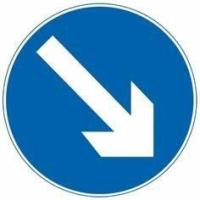
A. Downhill section on right side
B. Driving by the right side of the road
C. Stopping by the right side of the road
D. Right turn only
Answer: B
9. What is the meaning of this sign?
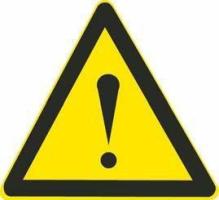
A. Reduce speed and go slowly
B. Watch for danger
C. Jammed section
D. Accident-prone section
Answer: B
10. When approaching another vehicle at night, why should the driver alternate between high-and-low-beam at a distance more than 150 meters?
A. Warn each other before passing
B. Driving habit
C. Easy to observe the situation ahead from either side
D. Courtesy
Answer: C
11. What is the meaning of this sign?
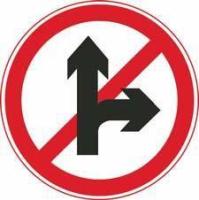
A. No going straight and no changing to left lane
B. No going straight and no left turn
C. Allowed to go straight and change to left lane
D. No going straight and no right turn
Answer: D
12. What is the meaning of this sign?
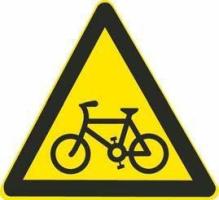
A. The lane for non-motorized vehicles
B. Yield non-motorized vehicles
C. No passing for non-motorized vehicles
D. Watch for non-motorized vehicles
Answer: D
13. When a motor vehicle encounters a burning phenomenon, it should leave the vehicle quickly so as not to cause injury or asphyxia to the respiratory tract.
Answer: Y
14. What should motor vehicle drivers do when parking temporarily on a rainy day?
A. Turn on hazard lamp
B. Turn on front and back fog lamp
C. Turn on low-beam
D. Set up warning sign at the back of the vehicle
Answer: A
15. What is the meaning of this sign?
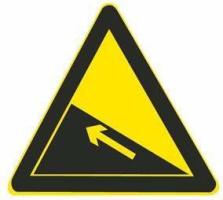
A. Steep downhill road
B. Continuous up slopes
C. Steep uphill road
D. Embankment road
Answer: C
16. When there is bleeding at the bone fracture of a wounded person, the first thing to do is to fix the wounded part in position, then stop the bleeding and dress the wound.
Answer: N
17. When a gas tanker is leaking heavily, which of the following measures is wrong?
A. Cut off the power
B. Wear gas mask and protect gloves
C. Turn off the valve to stop leaking
D. Evacuate people to the leeward side
Answer: D
18. Dangerous chemicals possess the characteristics of explosion, inflammation, poison, erosion and radiation.
Answer: Y
19. Which of the following measures is incorrect when a motor vehicle stops?
A. Stop at a stipulated place
B. Avoid stopping on pedestrian streets
C. Avoid obstructing the passing of other motor vehicles and pedestrians when temporarily stops on the road
D. Stop on the non-motor vehicle lane
Answer: D
20. Which of the following method is correct to rescue an unconscious person?
A. Apply cardio-pulmonaryresuscitation immediately
B. Press the philtrum of the wounded person with force
C. Continuously slap the face of the wounded person
D. Check the breath of the wounded person before other emergency treatments
Answer: D
Previous: 杭州摩托车科目四仿真考试
Next: 克孜勒苏州摩托车科目四英语版