
国外驾照换国内驾照流程黔西南
2026年科目一英文版题库共973题,你可以免费查看随机20题,完整版题库请添加微信购买:

The English version of the 2026 subject 1 question bank has a total of 973 questions. You can view the top 20 questions for free. Please add WeChat to purchase the complete version of the question bank.
1. When encountering a traffic accident ahead and help is needed while driving, the driver should ________.
A. Bypass to dodge it as much as possible
B. Immediately report to the police, stop and look on.
C. Help to preserve the scene and immediately report to the police
D. Speed up and pass to ignore it
Answer: C
2. When encountering a vehicle in the opposite direction forcing its way by using his lane, the driver should __________.
A. Force the other side to drive by the right side
B. Use the high beam light to warn the other side
C. Voluntarily yield to the other side
D. Go ahead by the center of the road
Answer: C
3. Driving a motorized vehicle in the city road which has no central line, the maximum speed can not exceed 50 kilometers per hour.
Answer: N
4. Stopping temporarily on the road should not obstruct the passing of other vehicles and pedestrians.
Answer: Y
5. Driving a motorized vehicle on the expressway is not allowed to exceed the marked maximum speed.
Answer: Y
6. When overtaking, the driver should ________ if the vehicle in front refuses to reduce speed or yield.
A. Follow closely and find chance to overtake again
B. Stop overtaking
C. Speed up and continue to overtake
D. Continuously honk and speed up to overtake
Answer: B
7. This motorized vehicle parked on the roadside has no illegal act.
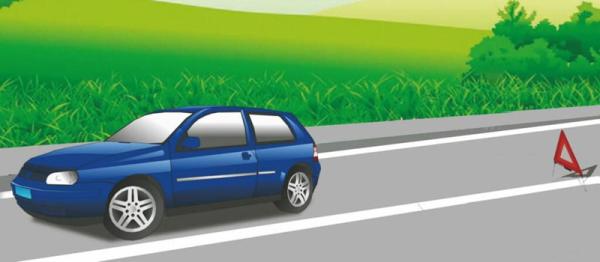
Answer: N
8. When the green light at a congested intersection is on, the vehicles _______.
A. May directly enter the intersection
B. Cannot enter the intersection
C. May pass the intersection by borrowing the opposite lane
D. Enter the intersection if it is safe to do so
Answer: B
9. When overtaking on a mountain road, the vehicle should overtake ______.
A. By taking every possible chance
B. By selecting a wide gentle uphill section
C. By selecting a fairly long downhill section
D. By selecting a relatively gentle downhill section
Answer: B
10. Stop the vehicle and observe when reaching the level crossing in this situation.
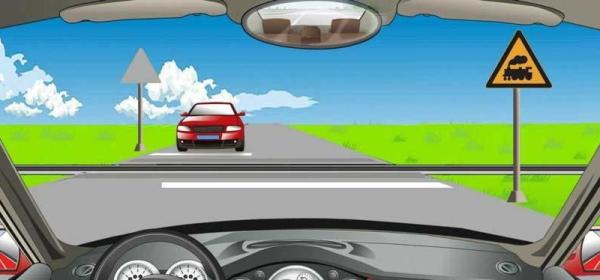
Answer: Y
11. How to pass this intersection?
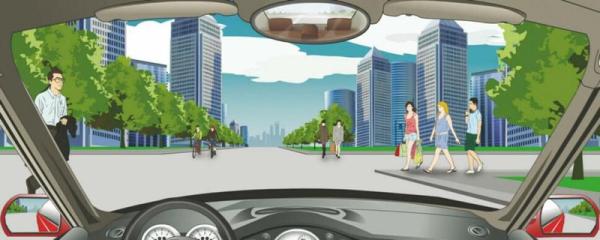
A. keep the speed and go through
B. honk to urge
C. reduce speed and go through slowly
D. speed up and go through
Answer: C
12. When a vehicle passes a level crossing, it is prohibited from overtaking.
Answer: Y
13. How the front vehicle to run in this situation?

A. run as normal
B. yield
C. turn on the hazard lights
D. should not change lane
Answer: B
14. When a vehicle approaches an intersection without crosswalk, the driver should _______ if he finds people are crossing the street.
A. Reduce speed or stop to yield
B. Honk to indicate them to yield
C. Immediately change lane and bypass the pedestrians
D. Pass before the pedestrians
Answer: A
15. When driving slowly in a congested road, the driver should ________ if another vehicle forcefully cuts in.
A. Honk to warn it against cutting in
B. Speed up to closely follow the vehicle in front and refuse to allow it to cut in
C. Squeeze the cutting-in vehicle to force it to leave
D. Voluntarily yield to ensure safe driving
Answer: D
16. When finding a vehicle in the opposite direction having difficulty to go forward and needing to borrow road while crossing each other, the driver should ________.
A. Not occupy the road of the other side and should go forward normally
B. Indicate the other side to stop and yield
C. Speed up and go forward by the right side
D. Yield to the other side as much as possible
Answer: D
17. What is the max speed on this expressway?
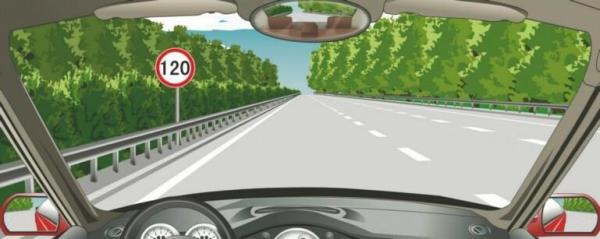
A. 60km/hr
B. 90km/hr
C. 90km/hr
D. 120km/hr
Answer: D
18. A motorized vehicle can make a U turn on this road as long as it does not interfere other vehicles.
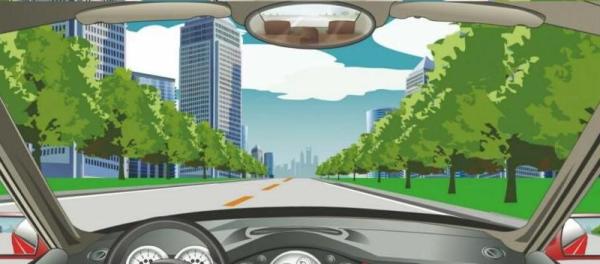
Answer: Y
19. How to do when causing a minor traffic accident with no human casualties and no dispute?
A. do not move the vehicle
B. counsel other vehicles bypass
C. leave the scene and discuss on their own
D. protect the scene and discuss
Answer: C
20. The traffic lights allow the vehicle to ______
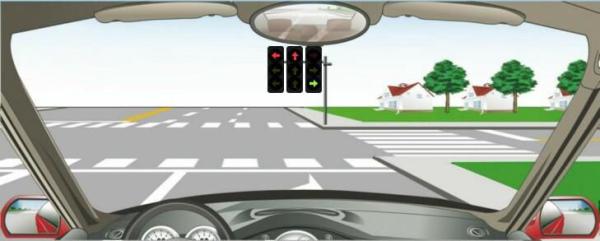
A. turn right
B. stop and wait
C. turn left
D. go straight
Answer: A
Previous: 外国人驾照考试考什么内容
Next: 驾考英文科目四题目及答案解析图片大全